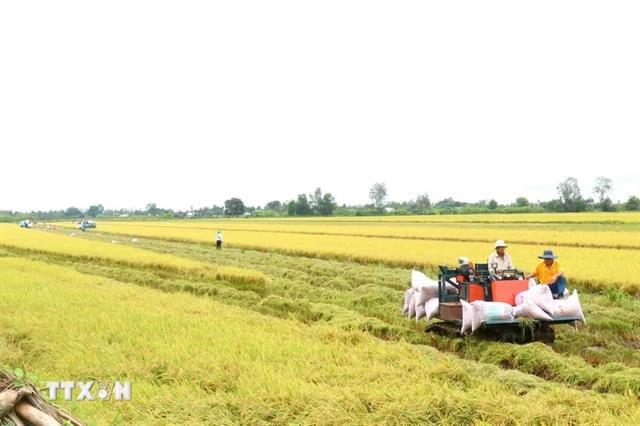
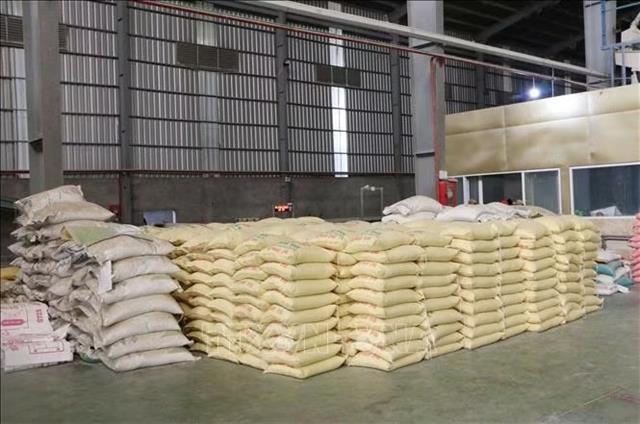

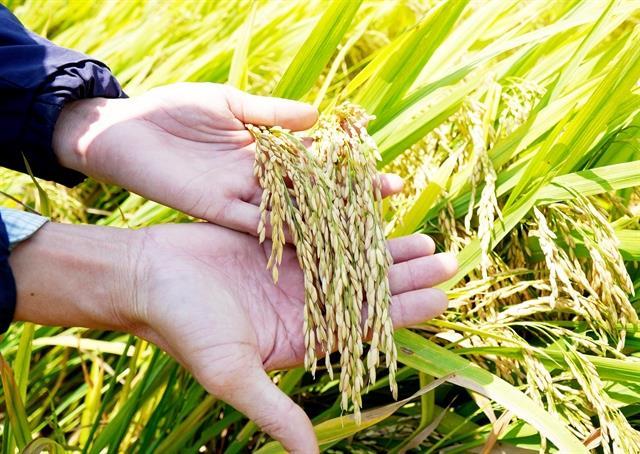
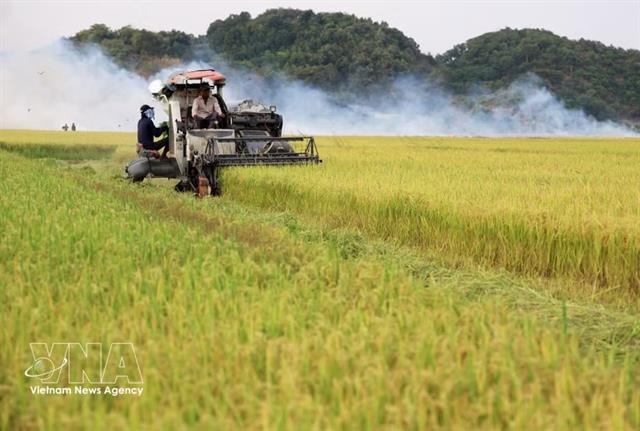
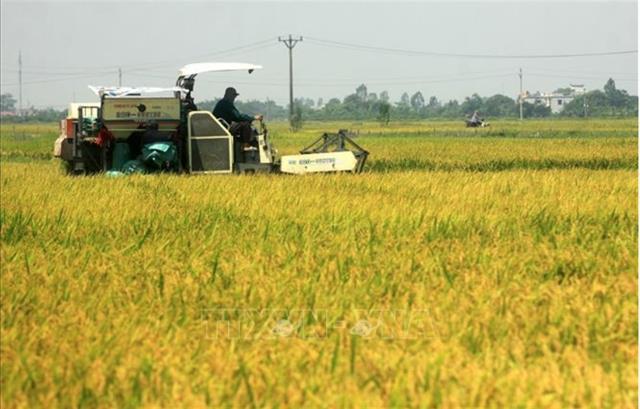
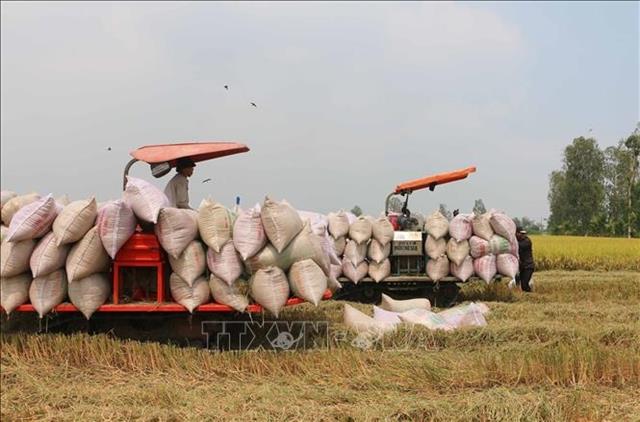
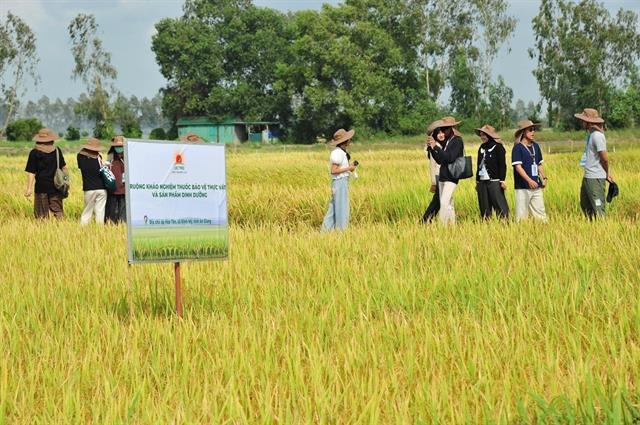
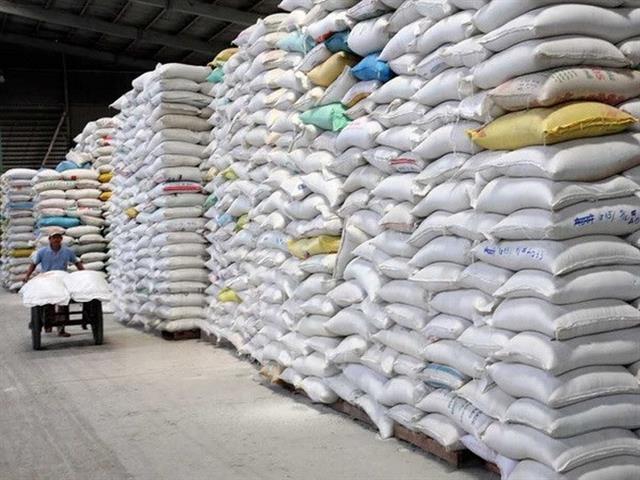

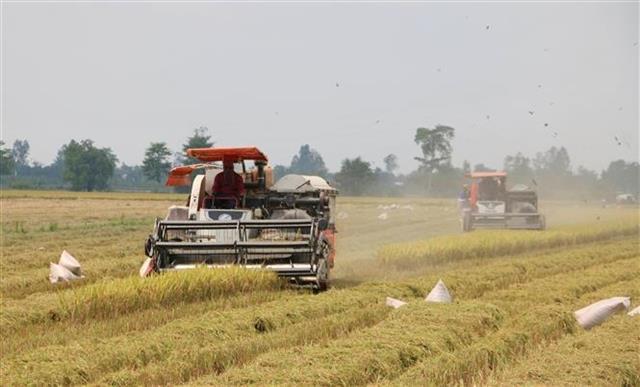
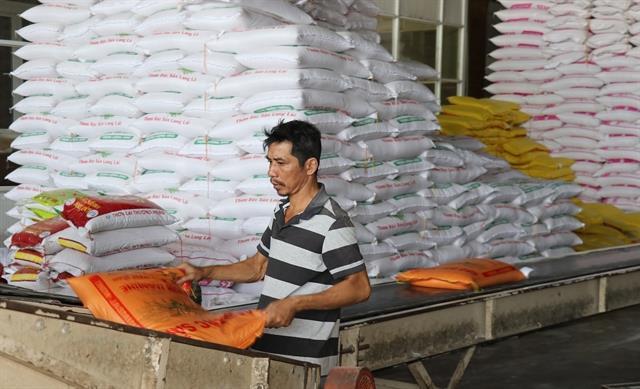
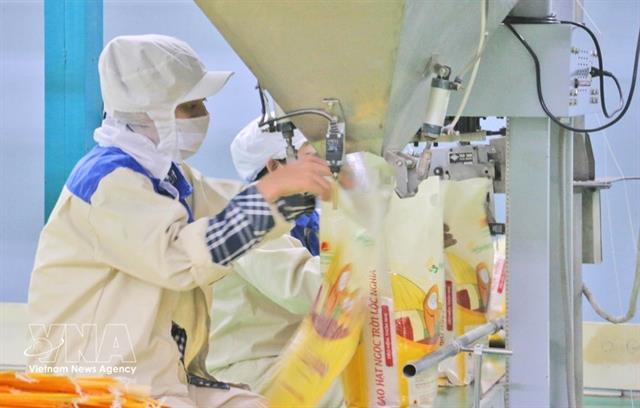
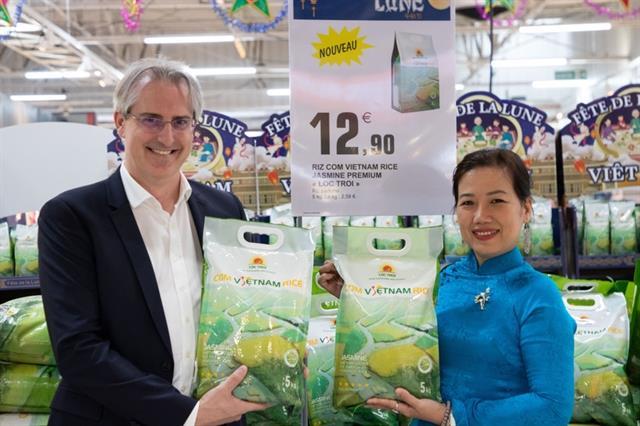
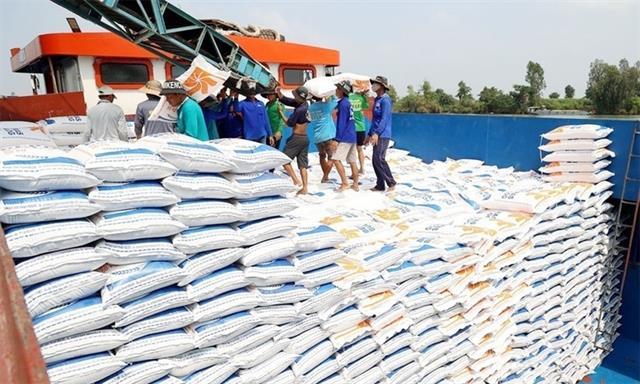
Falling prices dragged down Việt Nam’s rice export value in early 2026 despite steady volumes, as the sector shifts towards higher quality and greener production.
The investigation covers a wide range of rice products under AHTN Chapter 1006, including paddy, husked (brown) rice, semi-milled or wholly milled rice and broken rice.
Vietnamese fragrant rice, including 100 per cent broken rice, is widely available in Senegalese supermarkets in 5kg and 25kg packs, retailing at around US$1.3 per kg.
The Ministry of Industry and Trade is stepping up promotion of Vietnamese rice to expand markets, while closely tracking supply–demand trends, prices, and import policies in key destinations.
In the first two months of the year, rice exports reached 1.3 million tonnes valued at $599.3 million, up 5 per cent in volume but down 11.2 per cent in value compared with the same period last year.
Việt Nam exported an estimated 600,000 tonnes of rice worth US$370 million in January, up 12.4 per cent in volume and 16.9 per cent in value year-on-year.
The Philippines’ decision to slash rice imports during its peak harvest season is expected to pressure Vietnamese prices during the winter–spring harvest.
Francisco P. Tiu Laurel Jr., Philippine Secretary of Agriculture, told BusinessWorld Online that the Department of Agriculture (DA) was reviewing the reference basis of its flexible rice tariff scheme to better reflect actual market conditions.
The total output this year is expected to be slightly higher than in 2025, at around 45.6 million tonnes, thanks to higher average yields of 6.14 tonnes per hectare.
Imported rice needs to arrive on or before the end of February so it does not coincide with the bulk of the harvest in March and April, according to the Philippine Department of Agriculture (DA) Assistant Secretary Arnel de Mesa.
Đỗ Hà Nam, Chairman of the Vietnam Food Association (VFA), said that this year presents numerous difficulties and challenges, and the global supply glut significantly impacts all exporters, including Việt Nam.
The figures represented a year-on-year decline of 10.8 per cent in volume and 27.6 per cent in value, clearly reflecting the impact of the global downturn in rice prices over the past year.
Senegal, Africa’s third-largest rice importer and a fast-growing market for Vietnamese rice, has suspended imports for one month to support domestic producers, the ministry said.
The Singapore Government’s proposal to sign a bilateral rice trade agreement with Việt Nam is expected to help stabilise Việt Nam’s rice export to the city-state in the time ahead.